Beyond the Bodegas: Discovering the Hidden Treasures of Rioja
7/8/20265 min read
The Allure of Rioja’s Sub-regions
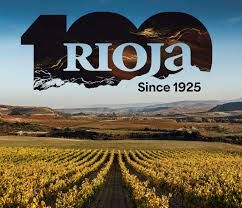
Rioja, a renowned wine-producing region in Spain, is celebrated for its exceptional wines, which are largely attributed to the unique characteristics of its sub-regions: Rioja Alta, Rioja Alavesa, and Rioja Oriental. Each of these sub-regions boasts its own distinct terroir, climate, and wine profile, creating a rich tapestry of flavors and styles that appeal to wine enthusiasts around the globe.
Rioja Alta, the highest sub-region, is characterized by its cooler climate and diverse soils, predominantly clay and lime. This environment is particularly favorable for ripening grape varieties such as Tempranillo and Garnacha. The wines produced here tend to display a balance between fruitiness and acidity, often resulting in elegant and age-worthy reds. The cool nights help preserve acidity, which contributes to a refreshing quality in their wines.
In contrast, Rioja Alavesa, located to the north of the Ebro River, enjoys a Mediterranean climate with Lower humidity. This sub-region is known for its chalky soils, and it is famous for producing vibrant wines that showcase the rich, sunny characteristics of Tempranillo alongside the use of other varietals such as Viura. Winemaking in this area leans toward a more modern approach, often incorporating innovative techniques that allow the fruit to shine while still respecting traditional practices.
Lastly, Rioja Oriental, previously known as Rioja Baja, is the warmest sub-region with a more Mediterranean influence. Here, clay and sandy soils dominate the landscape. The regions's climate allows grape varieties like Garnacha to flourish, leading to wines that are typically more opulent with high alcohol content and lush fruit flavors. This sub-region complements the diversity of Rioja by offering a different expression of its grapes.
The differences in soil types, grape varieties, and winemaking philosophies among Rioja's sub-regions create a distinctive identity for each area, inviting wine lovers to appreciate the intricacies of this celebrated wine-producing region.
Architectural Wonders and Wine Heritage
The Rioja region is not only renowned for its exquisite wines but also for its stunning architectural masterpieces, which represent a stunning blend of tradition and modernity. Among these, Frank Gehry's Bodegas Marqués de Riscal stands out as a prime example of avant-garde design harmonizing with the rich landscapes of the area. Established in 2006, this bodega resembles a colorful, flowing sculpture that exudes creativity and innovation. Gehry's design allows for a unique reflection of the wine within, bridging the gap between art and winemaking. The structure employs cutting-edge technology alongside time-honored winemaking techniques, creating a harmonious environment conducive to the production of exceptional wines.
Another architectural gem lies within the rolling hills of Rioja: Santiago Calatrava’s Bodegas Ysios. Opened in 2001, this bodega is characterized by its striking wooden roof, which mimics the forms of the nearby mountains. The graceful, serpentine design not only enhances the visual appeal but also incorporates sustainable architectural practices, illustrating the region's commitment to environmental stewardship. With panoramic views of the surrounding vineyards, Bodegas Ysios embodies the intrinsic relationship between architecture and the natural beauty of the Rioja landscape.
These architectural wonders are more than just functional spaces; they represent the cultural heritage and artistic ambitions of the Rioja winemakers. Visiting these bodegas enriches the wine experience, as guests can appreciate how the structures relate to the wines they produce. The merging of wine heritage and architectural artistry not only elevates Rioja’s standing in the wine world but also enhances the aesthetic journey for every visitor. The stunning architecture, combined with the unparalleled beauty of the region, offers an immersive experience that fosters a deeper appreciation for both the wine and its origins.
Culinary Delights: Pairing Rioja Wines with Local Cuisine
The culinary landscape of Rioja is as rich and varied as the wines produced in the region. Known for its vibrant atmosphere, particularly along Calle Laurel in Logroño, this area offers an array of dining experiences that cater to every palate. From traditional tapas bars bustling with locals to Michelin-starred establishments, the evolution of the food scene in Rioja is a journey worth embarking on.
Visitors to Rioja are encouraged to explore the various must-try dishes that reflect the region's culture and culinary traditions. Dishes such as patatas a la riojana, a hearty potato and chorizo stew, showcase the rustic flavors of the area. Another local favorite, pimientos del piquillo, roasted red peppers stuffed with cheese or meat, exemplifies the use of fresh, locally sourced ingredients. Pairing these iconic dishes with the ideal Rioja wine can significantly enhance the dining experience.
When enjoying patatas a la riojana, a Crianza Rioja, known for its balanced fruit and oak characteristics, complements the rich and savory nature of the dish. On the other hand, the vibrant flavors of pimientos del piquillo can be beautifully enhanced by a refreshing Rioja Blanco, which offers acidity and citrus notes that cut through the richness of the stuffing.
It is important to emphasize that the art of pairing Rioja wines with local cuisine is not merely a transactional process; rather, it is an experience that enriches the understanding of both the food and wine. As travelers navigate through the lively tapas bars or dine in fancier settings, the harmonious connections between the dishes and their accompanying wines will undoubtedly create memorable gastronomic moments in the heart of Rioja.
Engagement with Family-run Bodegas: A Personal Touch
In the heart of Rioja, family-run bodegas offer a unique glimpse into the region’s rich winemaking heritage. These small, often family-owned wineries operate with a level of passion and dedication that larger establishments may struggle to replicate. Each bodega tells its own story, often marked by generations of commitment, tradition, and a profound love for the land. Visitors to these intimate venues frequently find themselves welcomed like family, where wine is not just a product but a shared experience.
At these less commercialized wineries, personal connections flourish over shared meals and wine tastings. Winemakers, often descendants of the very founders of the estate, take pride in personally guiding guests through their craft. They may pour samples of their finest vintages while recounting the stories of how each blend came to life, illuminating the intricate process involved in crafting their wines. This connection fosters a deeper appreciation amongst visitors, allowing them to grasp the meticulous care that goes into every bottle produced.
The importance of these family-run bodegas in preserving Rioja's winemaking culture cannot be overstated. They embody the authenticity and nuances of traditional viticulture, often employing methods that have been handed down through generations. By supporting these small wineries, enthusiasts not only enjoy a richer, more genuine tasting experience but also help sustain a way of life that is deeply intertwined with the region's identity. These establishments nurture local customs, safeguard environmental practices, and provide a vivid sense of place that can be lost in the more commercial wine industry.
Therefore, for those venturing into Rioja, seeking out family-run bodegas presents an opportunity to discover hidden gems. Engaging with passionate winemakers offers an unforgettable experience filled with warmth, history, and authenticity. It is a chance to taste not just the wine, but the very essence of the culture that has shaped it.
Lekker Life
Unhurried detours, terroir-driven stories, and honest vintages.
© 2026 Lekker Life-Slow, intentional culinary travel.
TERROIR-DRIVEN STORIES