
Bordeaux: A 2,000-Year-Old Love Letter to Gastronomy Beyond Wine
7/19/20264 min read
The Wine Capital and Its Gastronomic Identity
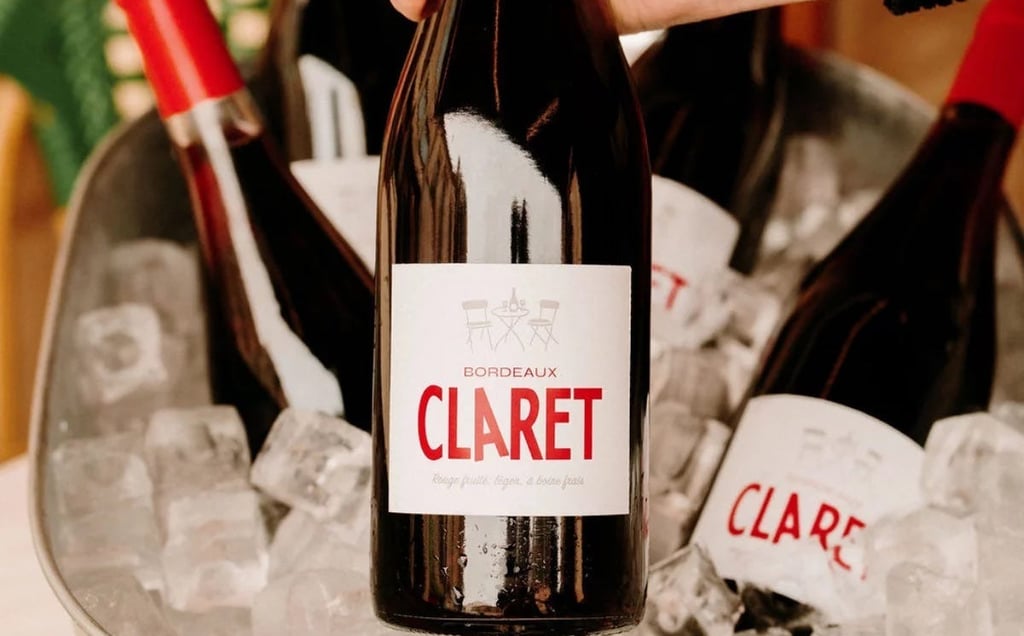
Bordeaux, recognized globally as the wine capital, presents a remarkable amalgamation of geography and culture that defines its legacy. Situated in a region known for its temperate climate, Bordeaux's vineyards flourish, yielding some of the finest wines. However, the significance of Bordeaux goes beyond its venerated wine production; it embodies a rich culinary landscape that is deeply intertwined with its wine heritage. This intersection of gastronomy and viticulture elevates Bordeaux not just as a city of wine, but as a paramount gastronomic destination.
The geographical positioning of Bordeaux is pivotal in establishing its gastronomic identity. The region benefits from diverse microclimates and soil types, facilitating a variety of grapes that yield distinctive wines. Meanwhile, Bordeaux's proximity to the Atlantic Ocean enriches its culinary offerings with an abundance of fresh seafood. Local farmers and artisans collaborate to cultivate produce that reflects the terroir, enhancing culinary experiences that harmonize with the region's exceptional wines.
Moreover, the emphasis on local ingredients highlights Bordeaux's commitment to sustainability and quality. Chefs in Bordeaux curate menus that honor seasonal produce and showcase traditional cooking techniques, ensuring that each dish is a testament to the region’s heritage. In this light, wine becomes more than a beverage; it is an essential component of the dining experience, thoughtfully paired with dishes that accentuate flavors and textures.
This balance between wine and food illustrates that Bordeaux is not monopolized by its wines alone. Instead, it represents a holistic gastronomic identity where the culinary arts flourish alongside viticulture, inviting visitors to indulge in the richness of both worlds. The marriage of Bordeaux's world-renowned wines and its vibrant culinary scene reinforces its status as a premier destination for gastronomy, appealing to food enthusiasts and wine connoisseurs alike.
A Journey Through the Vineyards: Left Bank vs. Right Bank
Bordeaux, a renowned wine region in France, is beautifully divided by the Gironde Estuary into two distinct areas known as the Left Bank and the Right Bank. Each bank boasts unique characteristics, and the wine styles produced here reflect these differences profoundly. The Left Bank is predominantly known for its prestigious Châteaux, such as Château Margaux and Château Latour, which are famous for producing world-class wines primarily from the Cabernet Sauvignon grape. This varietal flourishes in the gravelly soils of the Left Bank, yielding robust, full-bodied red wines that often feature complex tannins and deep fruit flavors. These wines typically pair exceptionally well with rich meats, such as lamb and beef, which complement their bold profiles.
Conversely, the Right Bank, home to notable estates like Château Pétrus and Château Canon, is celebrated for its Merlot-based blends. The clay-rich soils of the Right Bank provide an ideal environment for the Merlot grape, resulting in wines that are softer and more approachable in their youth. These wines are often characterized by plush fruit notes, making them versatile in food pairings. For instance, savory dishes such as duck breast or mushroom risotto harmonize beautifully with the elegant, fruity notes found in many Right Bank wines.
The contrasting profiles between the Left Bank and Right Bank illustrate how geographic and environmental factors shape winemaking in Bordeaux. This regional diversity not only enriches the wine experience but also enhances the culinary journey associated with these wines. Food pairing becomes an essential aspect of appreciating Bordeaux as it serves to elevate the tasting experience, showcasing the harmonious relationship between the region’s wines and gastronomy.
Culinary Highlights: A Taste of Bordelais Cuisine
Bordeaux, renowned for its exquisite wines, is also home to a rich culinary scene that boasts an array of flavors deeply rooted in the region’s agricultural heritage. The Bordelais cuisine is characterized by its commitment to local produce and artisanal methods, reflecting the unique terroir of southwestern France. Central to this gastronomic experience are the illustrious oysters from Arcachon Bay. These succulent mollusks, with their briny taste and robust texture, serve as a symbol of the rich maritime bounty that defines the coastal areas surrounding Bordeaux.
Another integral component of Bordelais cuisine is Bazas beef, known for its tenderness and distinct flavor profile. Raised in the lush pastures of the region, these cattle contribute to the celebrated dishes that showcase beef in all its forms, from hearty stews to expertly grilled steaks. This not only highlights the area's agricultural strengths but also invites diners to enjoy meals that are both traditional and deeply connected to the land.
Dining establishments such as La Table de Pavie further epitomize the essence of eating in Bordeaux. This restaurant, which prides itself on utilizing seasonal and local ingredients, presents a menu that celebrates the flavors of the region while paying homage to its culinary traditions. The ambiance and service elevate the dining experience, making it a landmark for gastronomes keen on exploring the depth of Bordelais cuisine.
Each dish served in Bordeaux tells a story, weaving together the narratives of local farmers, fishermen, and chefs. Through these meals, visitors can not only taste the rich offerings of the land but also appreciate the enduring relationship between the people of Bordeaux and their culinary legacy. Thus, the cuisine of Bordeaux is not just about nourishment; it is a vibrant expression of cultural identity and historic continuity.
Markets and Michelin-Starred Dining: The Soul of Bordeaux
Bordeaux boasts a culinary culture that is both rich and diverse, firmly anchored in its vibrant markets and its esteemed Michelin-starred dining establishments. One of the most iconic markets in the region, the Marché des Capucins, serves as a microcosm of Bordeaux's gastronomic philosophy. Here, local vendors proudly offer an array of fresh produce, artisanal cheeses, and delectable pastries, immersing visitors in the lively ambiance that typical French markets are famous for. Wandering through this bustling marketplace, one can experience the ethos of community that underscores Bordeaux's food culture, where sourcing and celebrating local ingredients is paramount.
The contrast between the vibrant market atmosphere and the serene elegance of Michelin-starred restaurants, such as Les Sources de Caudalie, highlights the dual nature of the city's dining scene. Les Sources de Caudalie exemplifies refined culinary artistry, with its inventive dishes that marry traditional Bordeaux flavors with contemporary techniques. Diners here indulge in meticulously crafted meals that emphasize not just taste but also presentation and experience, showcasing the heights to which the Bordeaux dining scene can ascend.
This duality—the rustic charm of local markets and the sophisticated ambiance of Michelin-starred establishments—perfectly encapsulates the Bordeaux philosophy of living well, eating well, and drinking well. Both experiences are crucial to understanding the region’s gastronomic identity, where fresh ingredients from the market inspire chefs at high-end restaurants, creating a continuous loop of culinary innovation. Engaging with both worlds allows one to appreciate the full spectrum of Bordeaux’s offerings, confirming that the city is not only a haven for wine lovers but also a sanctuary for food enthusiasts.
Lekker Life
Unhurried detours, terroir-driven stories, and honest vintages.
© 2026 Lekker Life-Slow, intentional culinary travel.
TERROIR-DRIVEN STORIES